
Planting vegetables for a brighter future
Small animal veterinarian and New Zealand Veterinary Association Climate Change Ambassador, Jane Ough, contributed the following article about our garden to the April/May 2023 issue of VetScript. You can read the article here:
The team at South Wairarapa Veterinary Services (SWVets) has discovered that growing their own vegetables has a whole lot of benefits. They’re enjoying their first season of the clinic’s staff vegetable garden, with many of them having either never grown their own vegetables or had no room or opportunity to do so at home.
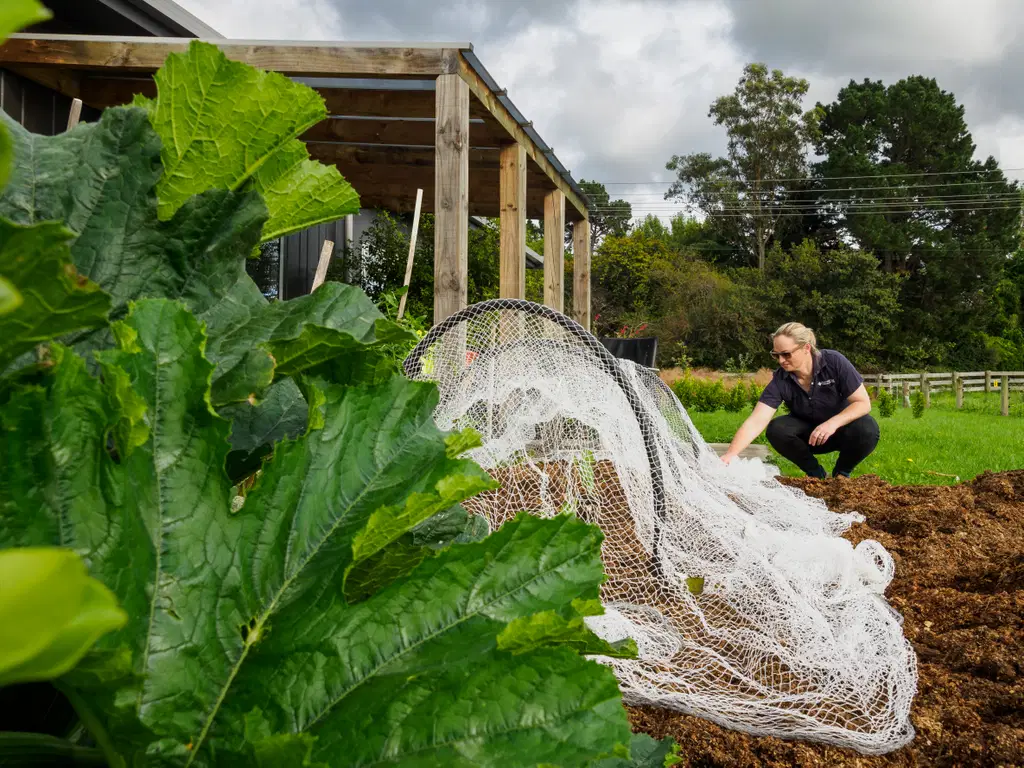
The team built a no-dig garden by placing flattened cardboard boxes (retrieved from the recycling bin) on the lawn outside the staffroom. A 30cm layer of gently steaming compost (SWVets is lucky to have an equine hospital and the stable waste has been composted) was heaped onto the cardboard and planted out with whatever seedlings staff supplied. The well rotted pile has proved excellent for growing a wide range of vegetables with minimal effort.
One of the team planted rock melons – something they had failed annually to grow at home – and they’re flourishing. The team has been harvesting a steady stream of tomatoes, courgettes, spinach, aubergine, lettuce and cucumbers, and at least once a month they have a clinic lunch with quiche and salad using vegetables from the garden.
The staff enjoy stepping out of the clinic, even briefly, to check on the garden. It gives them a chance to enjoy a little fresh air, admire the butterflies and eye up the next harvesting opportunity – great for mental health. The garden has become common ground, where people have developed firm friendships over shared zucchini recipes.
The highly variable and extreme weather (due to climate change) is making food production much harder and pushing prices higher. Food availability has become compromised by extreme weather events – the images of tonnes of onions washing over the roads of Auckland in early February were a grim reminder of how climate change can destabilise our society. Major food-producing areas such as Pukekohe have had entire crops destroyed by flooding, and the damage to infrastructure due to extreme weather is compromising SWVets’ supply chains. Having a local source of produce increases community resilience, and its staff appreciate the free supply of local vegetables in these times of rising food costs. At the time of writing this article, everyone was cut off by flood waters courtesy of Tropical Cyclone Gabrielle. Fortunately, the home vegetable garden was pumping out the produce, and there was enough to share with the neighbours.
This fantastic initiative has another benefit too: growing food locally helps to slow down climate change. It makes a serious dent in carbon emissions by eliminating the miles that food normally travels, and the vegetables are far fresher and in better condition than produce that’s travelled, sat around in cool stores, and been handled many times.
How about setting up your own garden? Your whole team can enjoy the many benefits: fresh produce, community resilience, delicious home-grown shared lunches and, most importantly of all, low carbon emissions.
Share on